


Let's talk about something that took me way too long to figure out: your hair doesn't need a million products to look amazing. It needs the right care, the right ingredients, and honestly? A lot less fuss than most of us think.
If you've been dealing with frizz, dryness, or hair that just feels... meh, chances are your routine needs a natural reset. The good news? Switching to natural hair care products isn't complicated, and your hair will thank you for it.
The Daily Moisturizing Game-Changer
Here's the thing nobody tells you: moisturizing your hair daily is non-negotiable if you want healthy, happy strands. And no, slapping on some coconut oil doesn't count.
Natural hair thrives on water-based moisture. Think of it like your skin, you wouldn't just use oil without hydration underneath, right? Same concept.
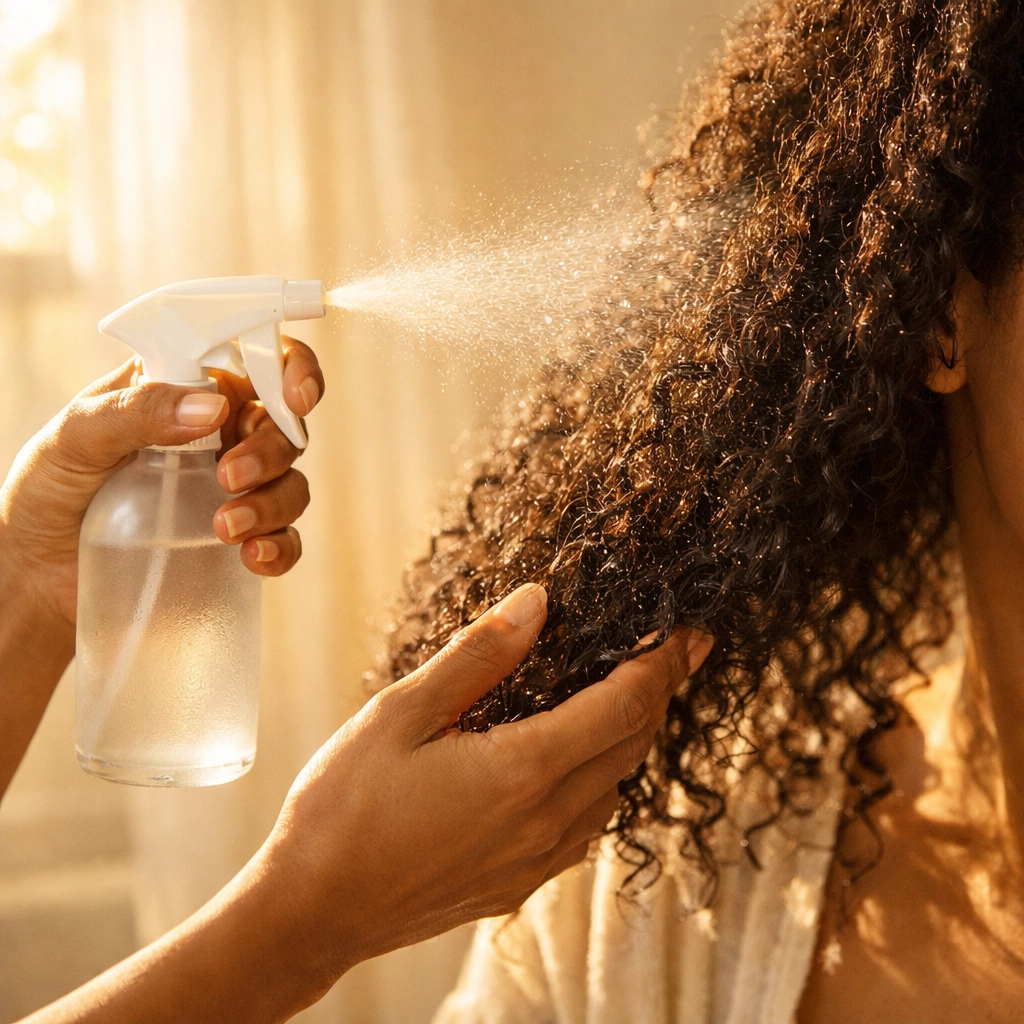
Try this simple routine:
- Use a water-based leave-in conditioner or moisturizing spray every morning
- Mix water with a light natural hair oil (like jojoba, almond, or avocado oil) in a spray bottle
- Spritz your hair morning and night, focusing on the ends
- Seal that moisture in with a few drops of oil on damp hair
This approach reduces breakage, helps you retain length, and keeps frizz in check. If you're eyeing something specifically formulated for growth and moisture retention, products like the Growth Collection are designed with this exact philosophy in mind.
Wash Smarter, Not Harder
Confession time: I used to wash my hair every other day and wonder why it felt like straw. Turns out, I was stripping all the good stuff my scalp naturally produces.
Most people with natural or textured hair only need to wash once a week or every 12 days. Your scalp knows what it's doing, let it do its job.
The golden rules for washing:
- Use a sulfate-free shampoo (sulfates are harsh detergents that strip your hair)
- Focus shampoo on your scalp, not your ends
- Let the suds run down the length of your hair as you rinse
- Use a clarifying shampoo once a month to remove product buildup
- Condition generously, focusing on mid-lengths to ends
When you're shopping for natural hair care products, flip that bottle over. If you see "sodium lauryl sulfate" or "sodium laureth sulfate" high on the ingredient list, put it back. Your hair deserves better.
Taming the Frizz Monster
Ah, frizz. The nemesis of smooth, defined hair. But here's what actually works, and it's not expensive silicone serums that coat your hair in synthetic gunk.
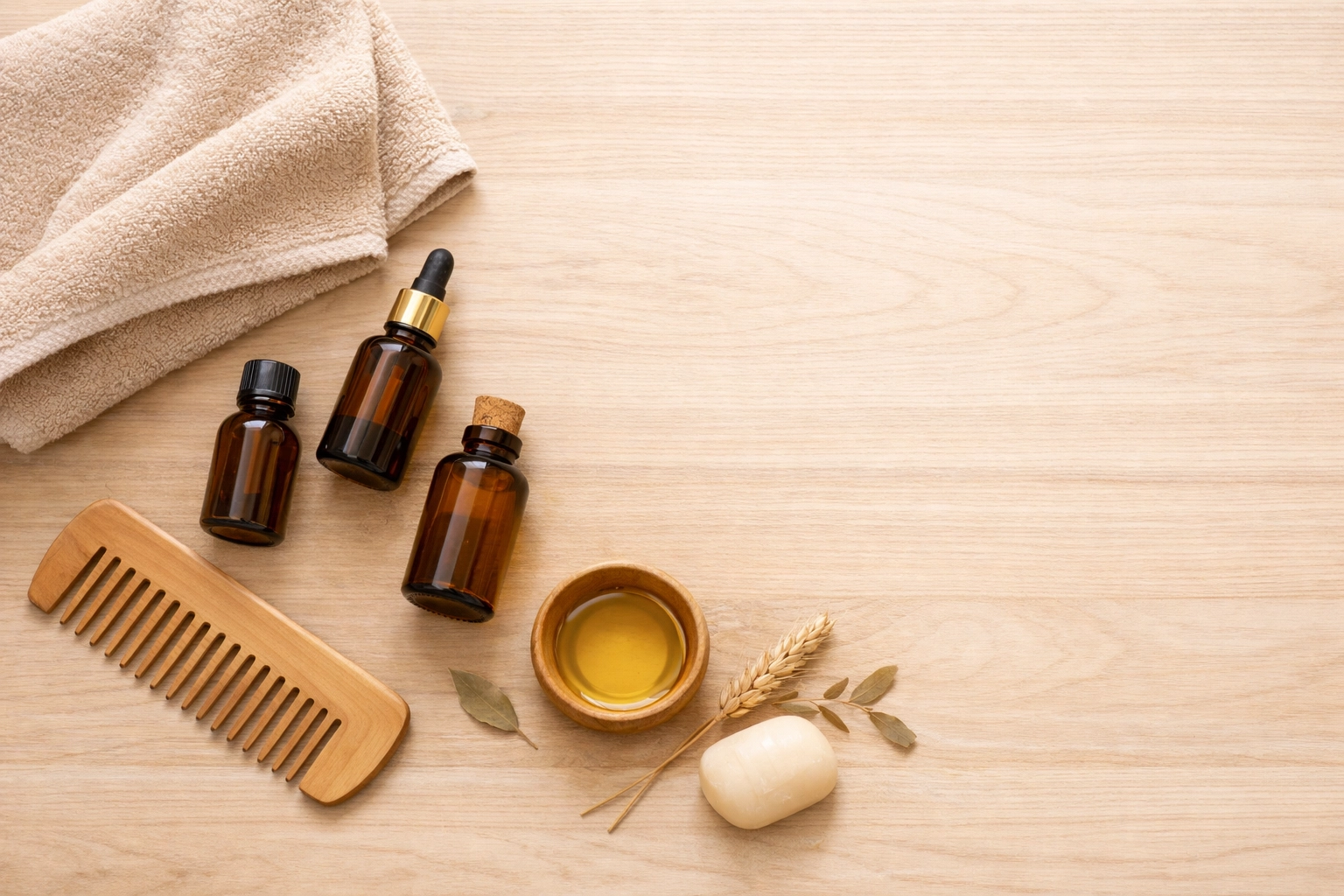
Natural frizz-fighting strategies:
- Never, ever brush wet hair (it's at its most fragile and will snap like crazy)
- After washing, gently squeeze out water with a microfiber towel or old t-shirt, no rubbing
- Apply a natural hair serum for frizz on damp hair, not dry
- Use your fingers or a wide-tooth comb to detangle, starting from the ends
- Air dry when possible, or use a diffuser on low heat
A quality hair serum for frizz with natural ingredients can be a total game-changer. Look for ones with ingredients like argan oil, rosehip oil, or marula oil. The Basil Hair Drip, for instance, uses botanical extracts that smooth the hair cuticle without synthetic silicones.
The Oil Situation: What Actually Works
Not all oils are created equal, and slathering your head with the wrong one can make things worse (coconut oil, I'm looking at you, you're not for everyone).
Best natural hair oils by hair type:
- Fine hair: Jojoba oil, grapeseed oil (lightweight, won't weigh you down)
- Medium/normal hair: Argan oil, sweet almond oil (versatile and nourishing)
- Thick/coarse hair: Shea butter, Jamaican black castor oil (heavier, deeply moisturizing)
- Dry/damaged hair: Avocado oil, rosehip oil (penetrating and restorative)
The key is using oils to seal in moisture, not as the moisture itself. Apply them on damp hair or over your leave-in conditioner. A few drops go a long way, you want nourished hair, not a grease slick.
Protective Practices That Actually Protect
You know those little everyday habits that seem harmless? Yeah, some of them are quietly destroying your hair.
Upgrade your hair accessories:
- Swap regular hair ties for silk scrunchies (less breakage, fewer creases)
- Sleep on a silk or satin pillowcase (cotton absorbs moisture and creates friction)
- Avoid tight hairstyles that pull on your roots
- Give your hair breaks between protective styles
Scalp care matters too:
- Massage your scalp regularly to boost blood flow (your fingers work great)
- Don't neglect your scalp when moisturizing
- If you notice buildup or irritation, scale back on heavy products
Reading Labels Like a Pro
Here's where ingredient safety comes in. Natural doesn't automatically mean safe, and synthetic doesn't always mean bad: but there are some ingredients worth avoiding.
Red flags in hair products:
- Sulfates (sodium lauryl sulfate, sodium laureth sulfate)
- Parabens (methylparaben, propylparaben)
- Silicones (dimethicone, cyclomethicone: they cause buildup)
- Synthetic fragrances (often irritating and unnecessary)
- Formaldehyde releasers (DMDM hydantoin, diazolidinyl urea)
When you're browsing natural hair care products, look for ingredient lists you can actually pronounce. Botanical extracts, plant oils, essential oils, and natural preservatives are your friends.
The Trim Truth
I know, I know. You're trying to grow your hair, so cutting it seems counterintuitive. But here's the reality: split ends will travel up your hair shaft if you don't snip them, causing more damage and breakage.
Get a trim every 8-12 weeks. Just a quarter inch. Your ends will look healthier, your hair will feel smoother, and you'll actually retain more length in the long run.
Your Hair From the Inside Out
Real talk: the best hair serum in the world can't compensate for a terrible diet. Your hair grows from the inside out, literally.
Nutrients your hair loves:
- Omega-3 fatty acids (salmon, walnuts, flaxseeds)
- Protein (eggs, beans, lean meats)
- Vitamin E (almonds, spinach, avocados)
- Biotin (sweet potatoes, eggs, nuts)
- Iron (leafy greens, lentils, red meat)
Stay hydrated too. Water is the ultimate beauty product, and it's free.
Bringing It All Together
Natural haircare doesn't have to be complicated or expensive. It's about consistency, the right products for your hair type, and treating your hair gently.
Start with these basics: moisturize daily with water-based products, wash less frequently with sulfate-free cleansers, protect your hair while you sleep, and seal in moisture with the right natural hair oil for your texture. Read those ingredient labels, skip the harsh chemicals, and remember that healthy hair is a marathon, not a sprint.
Your hair is unique, and what works for your best friend might not work for you. Give new routines at least a month before deciding if they're working. And most importantly? Be patient with yourself and your hair. You're both doing great.

