


Okay, real talk. We all want gorgeous, healthy hair, but sometimes the things we're doing every single day are actually working against us. I know, frustrating, right?
The truth is, many of us have inherited hair care habits from magazines, our moms, or just what everyone seems to be doing: without questioning whether they actually work for our hair type and lifestyle. And when you're trying to embrace natural hair care products and organic ingredients, it's even more important to get the basics right.
So let's talk about the five most common daily hair care mistakes I see people making, and more importantly, what actually works instead. Trust me, these small tweaks can make a huge difference.
Mistake #1: Overwashing Your Hair
Here's the thing: your scalp produces natural oils (called sebum) for a reason. These oils protect your scalp and keep your hair soft, shiny, and healthy. But if you're shampooing every single day, you're essentially stripping away this natural protection.
When you overwash, your scalp goes into overdrive trying to replace those oils, which can actually make your hair greasier faster. It's a vicious cycle.
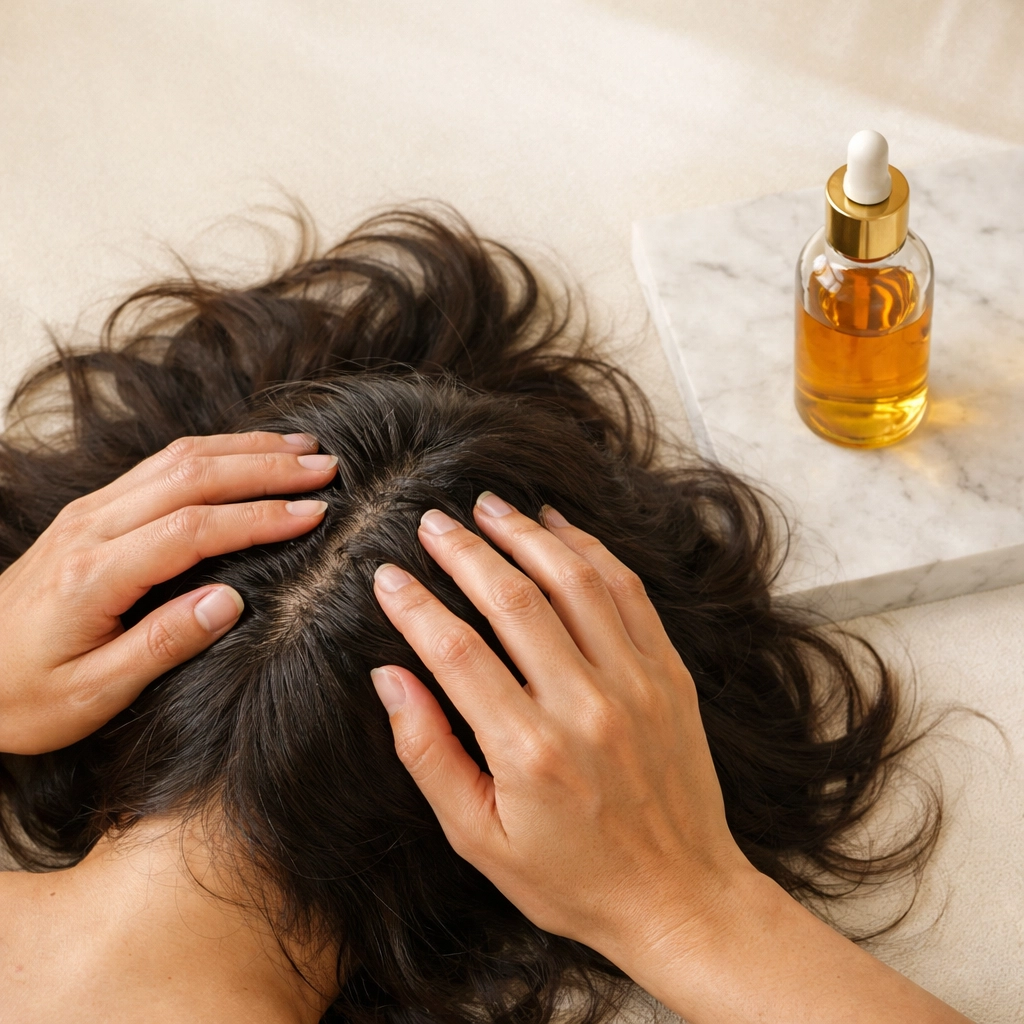
What works instead: Most people only need to wash their hair two to three times a week. I know this sounds wild if you're used to daily washing, but give it a try. Your hair might feel a little weird for the first week or two as it adjusts, but then you'll notice it stays cleaner longer.
If you exercise a lot or just can't go that long between washes, try alternating between regular shampoo days and "co-wash" days, where you use just conditioner to refresh your hair. And when you do shampoo, focus on your scalp: that's where you need the cleaning power. The length of your hair will get clean enough as you rinse.
Mistake #2: Blasting Your Hair with Heat (Without Any Protection)
Look, I'm not going to tell you never to use your blow dryer or flat iron. That's unrealistic. But using heat styling tools without any protection is basically like putting your hair in the oven and hoping for the best.
Heat weakens your hair's protective cuticle layer, leading to dryness, dullness, breakage, and that frizz we all hate. Over time, it can even cause uneven color fading if you dye your hair.
What works instead: Two words: heat protectant. Always. Every single time. Apply a quality heat protectant spray or serum before you pick up any hot tool. A hair serum for frizz with natural oils can do double duty here: protecting from heat while smoothing your strands.
Also, turn down the temperature! You don't need your flat iron on the highest setting unless you have super thick, coarse hair. Most people can get great results at medium heat, which causes way less damage.
And here's a pro tip: embrace your natural texture a few days a week. Give your hair a break from the heat, and use a natural hair oil to enhance your natural waves or curls instead.
Mistake #3: The Aggressive Towel Rub-Down
We've all done it: stepped out of the shower and vigorously rubbed our hair with a towel like we're trying to start a fire. But this creates a ton of friction that roughs up your hair's cuticle and creates frizz city.
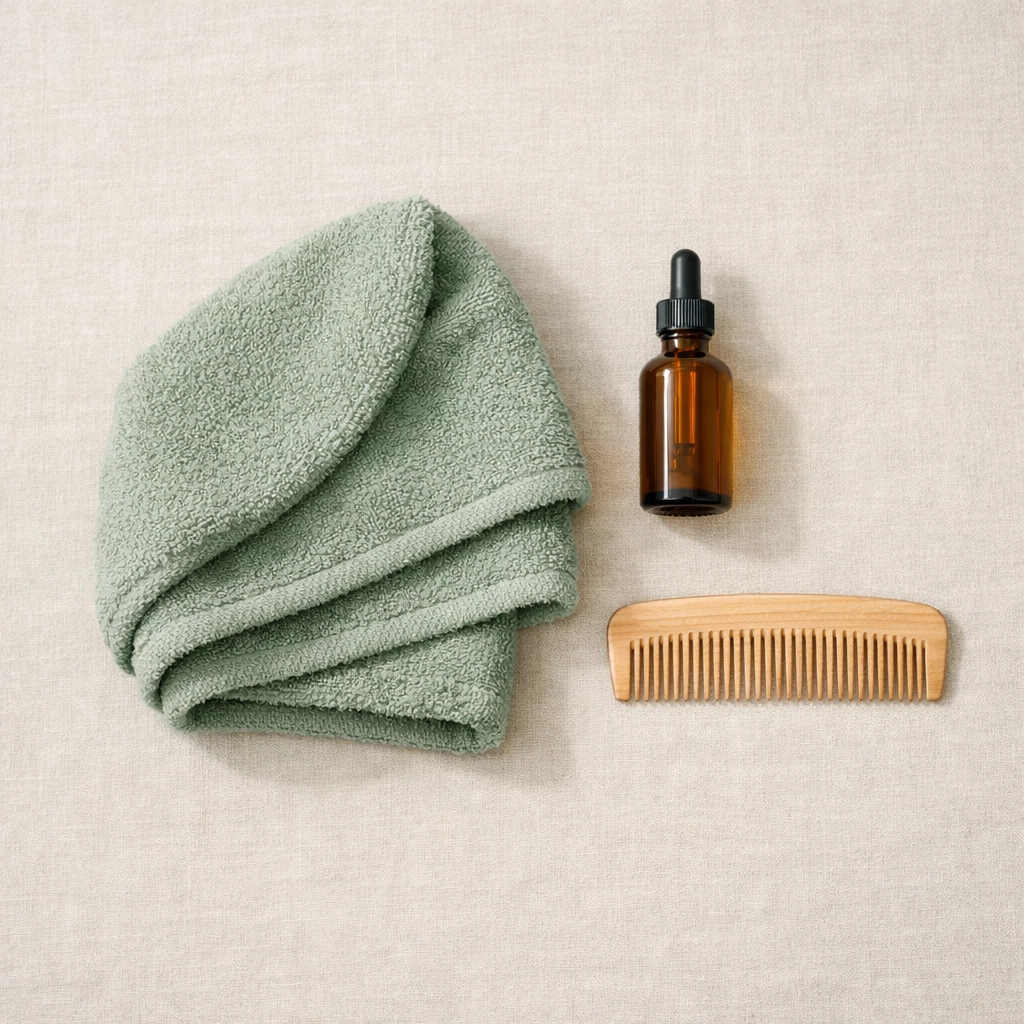
Wet hair is at its most vulnerable state. The hair shaft swells with water, making it more prone to damage. When you aggressively towel-dry, you're basically asking for breakage, split ends, and that fluffy, undefined texture nobody wants.
What works instead: Be gentle! Instead of rubbing, gently squeeze excess water from your hair, starting at the roots and working your way down. Then wrap your hair in a microfiber towel or even a soft cotton t-shirt.
These materials are so much gentler than regular terry cloth towels. I switched to a microfiber towel about a year ago, and the difference in my frizz levels is honestly shocking. Just wrap it around your head and let it absorb the water naturally for 10-15 minutes while you do your skincare routine.
After you remove the towel, apply a lightweight natural hair care product like a leave-in conditioner or hair serum for frizz while your hair is still damp. This locks in moisture and helps define your natural texture.
Mistake #4: Living in Tight Hairstyles
That slicked-back ponytail might look sleek and professional, but wearing it every single day? That's a recipe for traction alopecia: which is a fancy way of saying your hair starts thinning from constant tension, especially around your hairline.
Tight buns, braids, and ponytails put constant stress on your follicles. Over time, this can cause permanent hair loss, particularly at the temples and hairline. And even before it gets to that point, it can cause breakage and thinning.
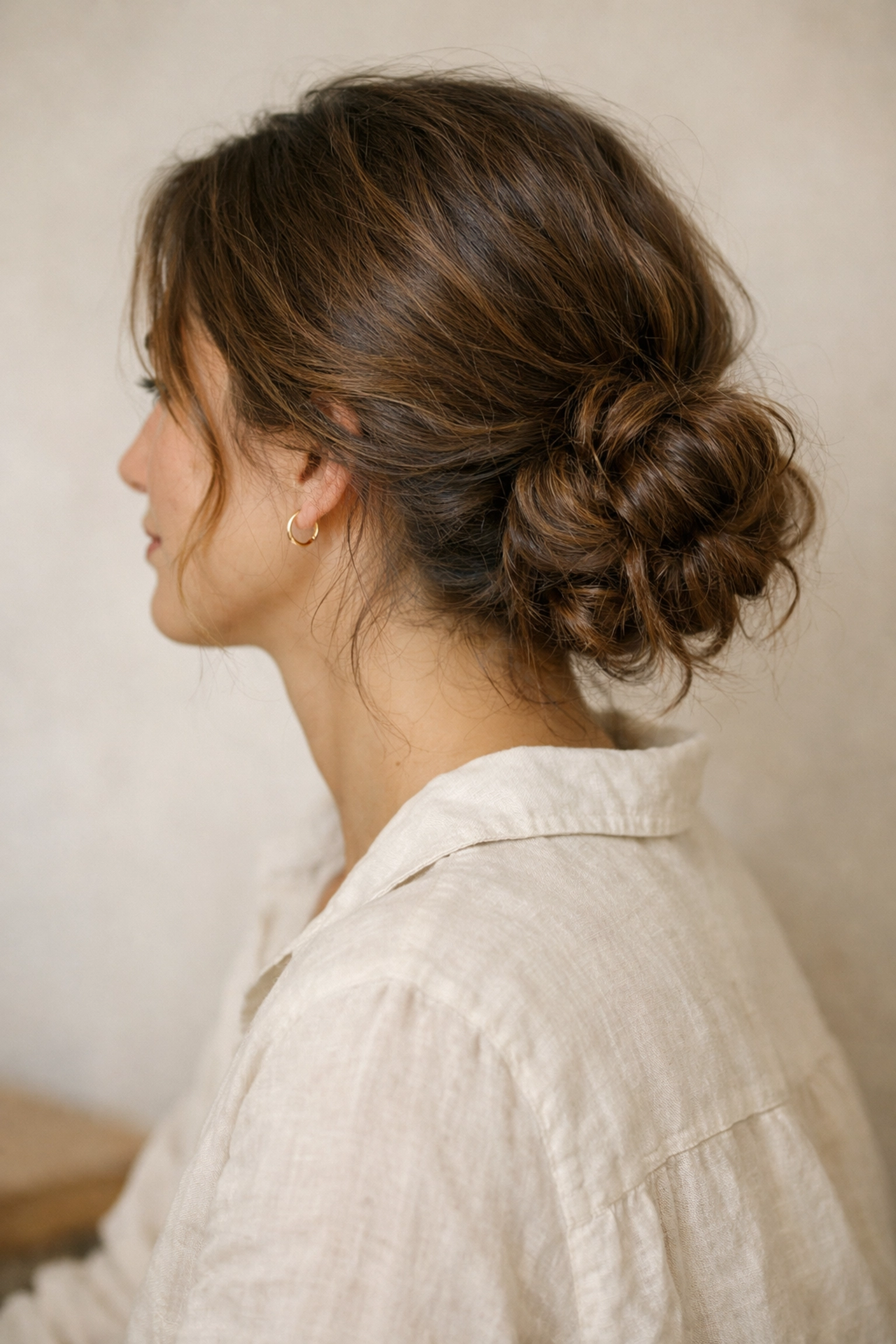
What works instead: Variety is key. Rotate through different hairstyles throughout the week: loose braids one day, hair down the next, a loose low bun after that. When you do put your hair up, use gentle hair ties (those spiral ones or silk scrunchies are great) and don't pull too tight.
If you need your hair out of your face for work or workouts, try a soft headband or loose clips instead of always defaulting to a ponytail. Your hairline will thank you in a few years.
And for overnight, consider a loose braid or pineapple (a very loose, high ponytail) to protect your hair while you sleep. Bonus points if you use a silk or satin pillowcase, which reduces friction even more.
Mistake #5: Putting Off Trims Because "You're Growing It Out"
I get it. When you're trying to grow your hair long, getting regular trims seems counterproductive. But here's the reality: those split ends aren't going to magically heal themselves. Instead, they travel up your hair shaft, causing more and more damage.
Eventually, you end up with so much breakage that your hair doesn't seem to grow at all. It's growing from your roots, but it's breaking off at the ends at the same rate. So you're basically running in place.
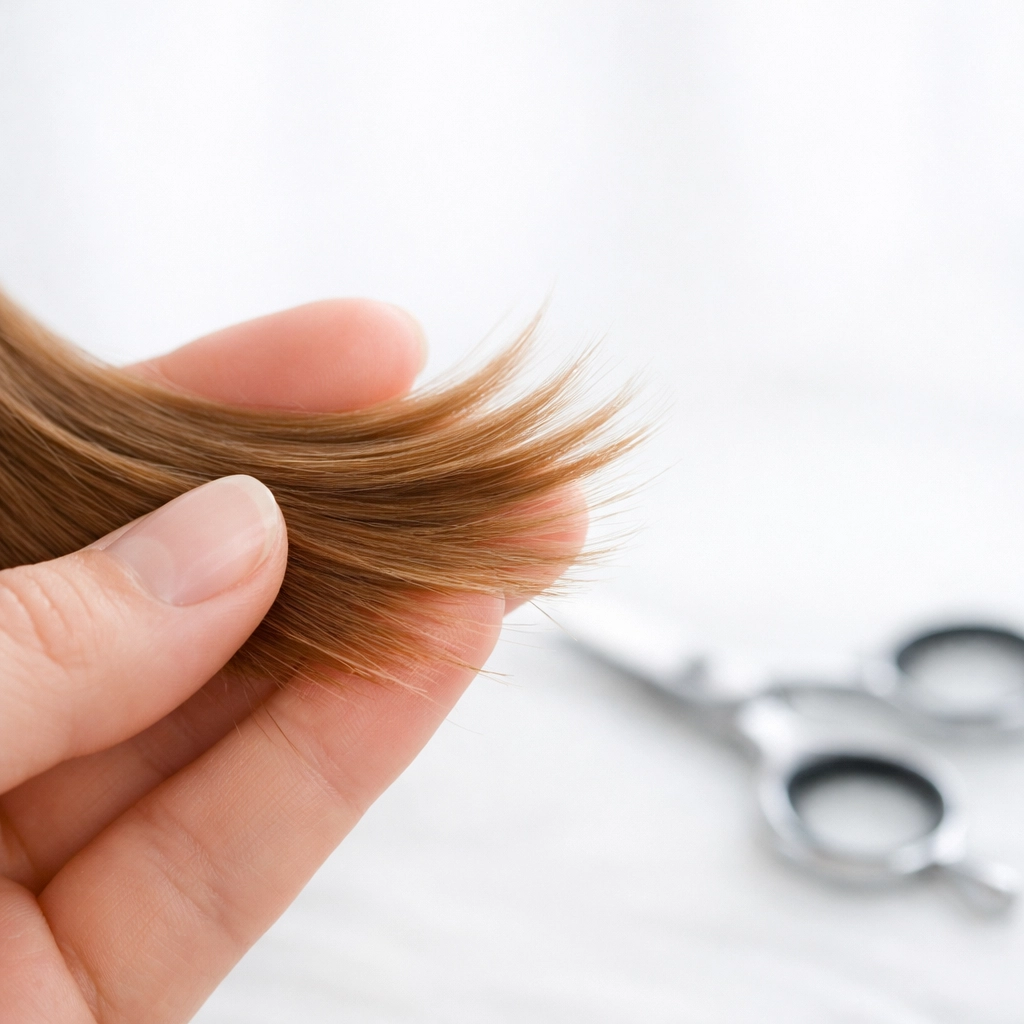
What works instead: Schedule regular trims every 8-12 weeks, depending on how fast your hair grows and how much damage it's prone to. You don't need to take off inches: even just a quarter-inch trim can remove damaged ends and keep your hair healthy.
Between trims, focus on maintaining moisture levels with deep conditioning masks and gentle brushing practices. Use natural hair care products that nourish from the inside out. Consider incorporating growth-supporting ingredients like biotin and natural oils: many people love products from collections specifically designed for healthy hair growth.
Speaking of which, if you're serious about growing longer, healthier hair, check out Nature's Glow Emporium's haircare collection. They carry some amazing natural and organic options that support hair health without harsh chemicals.
The Bottom Line
Your daily hair care routine has a massive impact on your hair's health, and small changes really do add up over time. By washing less frequently, protecting your hair from heat, being gentle with wet hair, varying your hairstyles, and keeping up with trims, you'll see a noticeable improvement in how your hair looks and feels.
The best part? These tips work even better when you pair them with high-quality natural hair care products. Clean ingredients, nourishing oils, and gentle formulas support what your hair naturally wants to do anyway: be healthy and gorgeous.
So pick one or two of these mistakes you know you're making, and commit to changing them this week. Your future hair will thank you. And remember, healthy hair is a journey, not a destination. Be patient with yourself and your strands( they're doing their best out there.)

